


اخبار العرب-كندا 24: الاثنين 29 ديسمبر 2025 02:09 مساءً
Federal Justice Minister Sean Fraser says he’s ready to make communities safer for Canadians, but his bills need to be passed for him to do so.
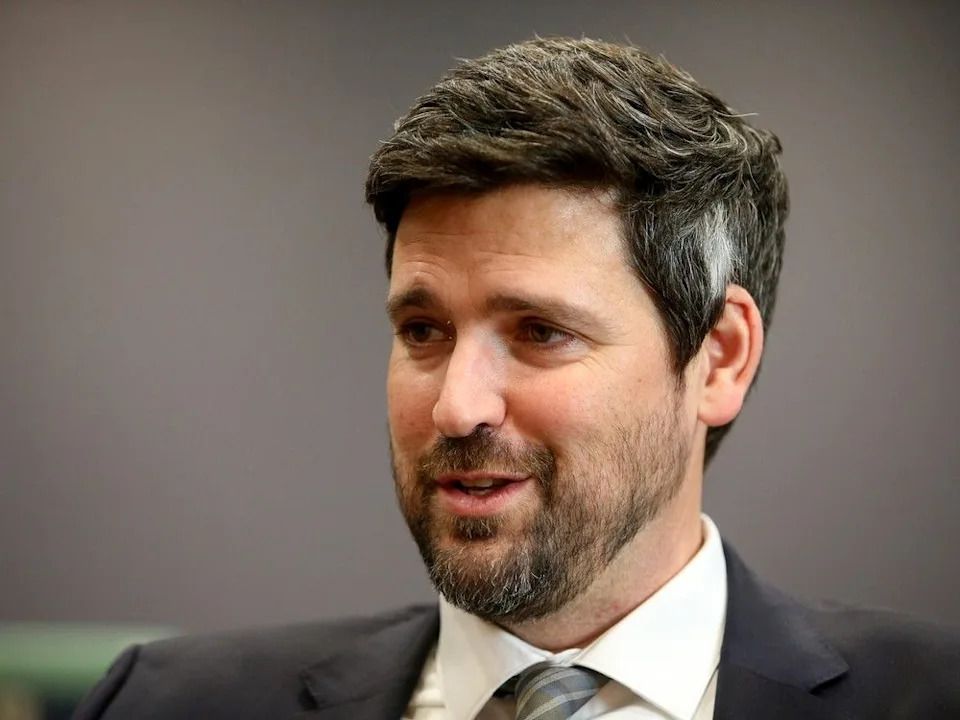
The Nova Scotia-based minister sat down for a year-end interview with the Ottawa Citizen to discuss a year in which he proposed sweeping changes to the Criminal Code as part of the Liberal Party’s campaign promises to enhance public safety.
Sitting in his office after the House of Commons adjourned for its Christmas break, Fraser said he sensed a “very real frustration” among Canadians when they saw the impact crime had on their communities.
Advertisement
Advertisement
Advertisement
Advertisement
“We need to get these bills adopted. I’m not satisfied to write down laws on paper that don’t actually make their way into the books and don’t actually serve the interests of people in our communities,” he said.
“From my perspective, the priority is to advance the legislation that we’ve now tabled.”
The minister said his bail reform bill, which was tabled in October, aimed to restore public trust in the criminal justice system.
That bill proposed sweeping changes to the Criminal Code by making it harder for repeat and violent offenders to obtain bail before trial, including expanded reverse-onus conditions — when the accused must convince a judge why they should be granted bail instead of the Crown being tasked with advocating for why bail should be denied — for violent offences.
Advertisement
Advertisement
Advertisement
Advertisement
It also promised tougher sentencing laws for serious and violent crimes, such as consecutive sentences for repeat violent offenders, among others.
In Ottawa, violent crime increased by one per cent in 2024, led by more assaults, sexual offences and deaths.
Many Ottawa-area lawyers have questioned the proposed changes in Bill C-14, calling them a “knee-jerk reaction” that doesn’t reflect what is going on at the courthouse.
Paolo Giancaterino, a criminal defence lawyer, previously told the Citizen that claims of easy bail were a myth. It has become more difficult to secure bail for clients and tens of thousands of people are released on bail every year, follow their bail conditions and don’t reoffend, he said.
Advertisement
Advertisement
Advertisement
Advertisement
“We are hearing concerns from the public, more broadly, that they are tired, quite frankly, of knowing a person by name who is responsible for a majority of crimes being committed in a particular neighbourhood being released, only to reoffend again,” Fraser said.
Fraser noted that his office consulted with legal experts, law enforcement and community stakeholders while drafting the bill.
He admitted, however, that he didn’t have empirical evidence to suggest the proposed bail reform provisions would be effective. This was due to the lack of consistent provincial and regional data, he said.
The Ontario Court of Justice collects bail-related statistics, but doesn’t break them down by region.
Advertisement
Advertisement
Advertisement
Advertisement
“It’s not as though there is an effective national dataset that will demonstrate conclusively that certain changes will or will not have a desired impact,” Fraser said.
Fraser said Bill C-14 would direct judges to focus on deterrence and denunciation when sentencing, as well as public safety when interpreting the principle of restraint for bail.
The bill will focus on specific offences that may reflect the likelihood of reoffending, he added.
“It’s not as though we were picking at random circumstances that we thought should engage a reverse onus,” Fraser said. “They were informed by law enforcement, by provincial governments who have conduct of the justice systems in their jurisdictions, and we think it’s going to have a positive impact on public safety.”
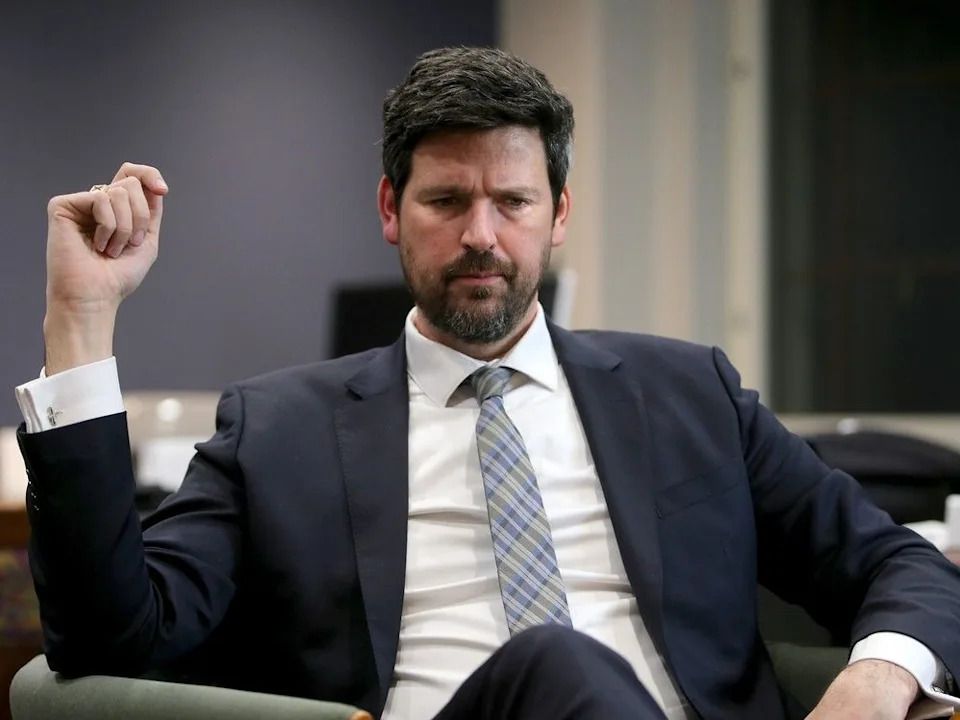
Minister of Justice and Attorney General of Canada, Sean Fraser, gives a year-end interview to Postmedia from his Wellington Street office.
Addressing judicial delays
Fraser believes a large part of restoring public trust in the criminal justice system is by passing legislation to protect victims of crime.
Advertisement
Advertisement
Advertisement
Advertisement
“We don’t feel, and I don’t feel, that justice is well served when, for example, a perpetrator of sexual violence is released into the same community where their victim lives … not because they’ve been acquitted, but because, partway through the trial, the clock ran out,” he said.
“Delays in the justice system serve neither the victim nor the accused nor society, and we have to address the underlying problem of delays in the system.”
Lawyers have told the Ottawa Citizen that judicial delays have reached crisis levels in the city, partially because of the lack of resources.
Mark Ertel, an Ottawa criminal defence lawyer, says it is common for trials to be scheduled close to the Jordan ceilings.
Advertisement
Advertisement
Advertisement
Advertisement
Under its ruling on R v. Jordan, the Supreme Court of Canada established numerical ceilings before a delay was considered unreasonable: 18 months for Ontario Court of Justice cases and 30 months for Superior Court of Justice cases. If the delay exceeds the ceiling, the charges will be stayed.
Fraser’s newly-tabled Bill C-16, also known as the Protecting Victims Act, proposed new language that would make it possible for courts not to impose stays if sexual assault cases were delayed beyond the Jordan ceilings.
He said the changes were necessary to bring justice to survivors who wanted to seek it against their perpetrators.
However, several Ottawa-based lawyers and civil liberties groups have expressed concerns that these provisions will contravene Section 11 of the Canadian Charter of Rights and Freedoms, which guarantees the right to a fair trial within a reasonable timeframe.
Advertisement
Advertisement
Advertisement
Advertisement
“We do a Charter analysis of every provision that we adopt in our office and across government to ensure that the laws that we’re adopting are, in fact, Charter-compliant,” Fraser said.
Fraser added that it was up to provinces to adequately resource their criminal justice systems, including appointing provincial court judges, hiring court staff, hiring Crown attorneys and funding legal aid.
The federal government is committed to funding programs like the Victims Fund and appointing Superior Court judges to address shortages and vacancies, he said.
“A lot of these other legs of the stool, so to speak, do depend on investments being made by provincial governments. There are some supports we put in place that touch on areas of federal responsibility,” he noted.
Advertisement
Advertisement
Advertisement
Advertisement
“We’re not simply going to step in and start covering the constitutional responsibilities of other levels of government, but there are unique opportunities that we have to help improve the quality of the services that they deliver without taking over the operations of a strictly provincial system.”
Minister of Justice and Attorney General of Canada, Sean Fraser, gives a year-end interview to Postmedia from his Wellington Street office.
What about restorative justice?
Fraser says he is a big fan of restorative justice, which is often seen as a valued alternative to formal prosecution by creating a space where the person harmed and the person who caused the harm can communicate and address their needs.
Several programs are available in Ottawa, like the Odawa Native Friendship Centre’s Indigenous Community Justice Program and the Collaborative Justice Program.
Section 717 of the Criminal Code allows Crown attorneys to divert cases into restorative justice programs, but Ontario has implemented moratoriums on sexual violence cases under this provision.
Advertisement
Advertisement
Advertisement
Advertisement
Benjamin Roebuck, the federal ombudsperson for victims of crime and a professor at Algonquin College, previously called on the federal government to expand restorative justice programs because many sexual assault survivors did not think the criminal justice system was an opportunity for justice to be served.
Fraser said Bill C-16 proposed legislation to promote restorative justice in appropriate cases, but added these programs only worked when all parties bought into them.
“If it’s not something that victims are willing to participate in, where they don’t think it’s going to serve their interests, then it’s typically not an appropriate way (forward), because you won’t be able to really have the restorative outcome that you’re looking for if it’s opposed by the person who’s been aggrieved by the criminal behaviour,” Fraser said.
“We do, in fact, support programs that promote restorative justice, and now we’re baking into the Criminal Code an encouragement for courts to pursue, where appropriate, restorative justice processes.”
What are the priorities for 2026?
Aside from the bills that have yet to pass, Fraser said he was willing to work with all parties in the House of Commons, including Opposition MPs, to enact positive change.
Advertisement
Advertisement
Advertisement
Advertisement
“Public safety is an absolute priority for Canadians, but we can’t lose sight of the bigger picture. We’re working with all of our colleagues across government to make sure that people have good-paying jobs, that they have communities that are safe, that they have a roof over their head, and that they can actually afford a place to live,” he said.
“The things that people ask for are pretty basic … We’re focused on those things because that’s priorities that Canadians have told us are important.”
Fraser added that his office was moving forward with the implementation of the Indigenous and Black justice strategies to ensure positive and lasting change in the justice system.
“There is no shortage of work to do,” he said.
تم ادراج الخبر والعهده على المصدر، الرجاء الكتابة الينا لاي توضبح - برجاء اخبارنا بريديا عن خروقات لحقوق النشر للغير


