

اخبار العرب-كندا 24: الجمعة 9 يناير 2026 03:56 مساءً
It’s an all-too-familiar ask of a city likely weary of water restrictions: curb your showers and flush less, Calgarians, or risk overwhelming the system.
But whether that message is getting across to people — or how many care to listen — is unclear.
Another catastrophic rupture of the Bearspaw water feeder main has prompted officials to once again ask residents to cut water use, after they spent several months of 2024 under similar restrictions.
Advertisement
Advertisement
Advertisement
Advertisement
Mayor Jeromy Farkas has warned regular restrictions could become the new norm until the problematic feeder main is finally replaced — and that could take years.
But the City of Calgary’s updates this week show water usage was in the "red zone," above sustainable levels each day from Jan. 4 to Jan. 8.
"This situation puts our system at a greater risk than we would like," Calgary Emergency Management Agency Chief Sue Henry said in a city update Thursday. "We can manage in the short period, but the longer we are in the red, the worse it gets."
Fatigue is a big part of the problem, said Alex Bierman, sociology professor at the University of Calgary.
Advertisement
Advertisement
Advertisement
Advertisement
“At some point, we just simply don't feel like a crisis is a crisis anymore when we're repeatedly told there's a crisis,” he said.
“We can only experience a sense of elevated risk for so long until that does become habituated. We just become used to it.”
Echoes of COVID
The situation brings to mind memories of the COVID-19 pandemic, when people were asked to follow various and at-times changing restrictions issued by public health and government officials.
Melanee Thomas, a University of Calgary political science professor, co-authored an opinion piece for CBC News in 2020, where she discussed why people are or are not motivated to make personal sacrifices for the public good.
Advertisement
Advertisement
Advertisement
Advertisement
She said today's water situation, much like the pandemic, is an example of the "tragedy of the commons" theory
“Everybody would be infinitely better off if we dealt with a personal inconvenience,” Thomas said. “But if people aren't prepared to be inconvenienced, then you end up making things catastrophically bad for everybody.”
One difference during the pandemic was the threat of real consequences like fines for disobeying. The city did issue some fines for water misuse in 2024, but hasn't done so thus far.
Without risk of penalty, some people are unlikely to change their behaviours, Thomas said.
Advertisement
Advertisement
Advertisement
Advertisement
“The research is very clear at a certain point, you have to follow with some kind of sanction,” she said. “Asking nicely can only take you so far.”
She also said individuals can also be influenced if they see others refusing to follow guidance, and will start to question why they should obey if others do not.
"They'll be like... 'I'm an idiot, because look at that guy over there. He's doing it and he's facing no sanction. So why did I do this?'" she said.
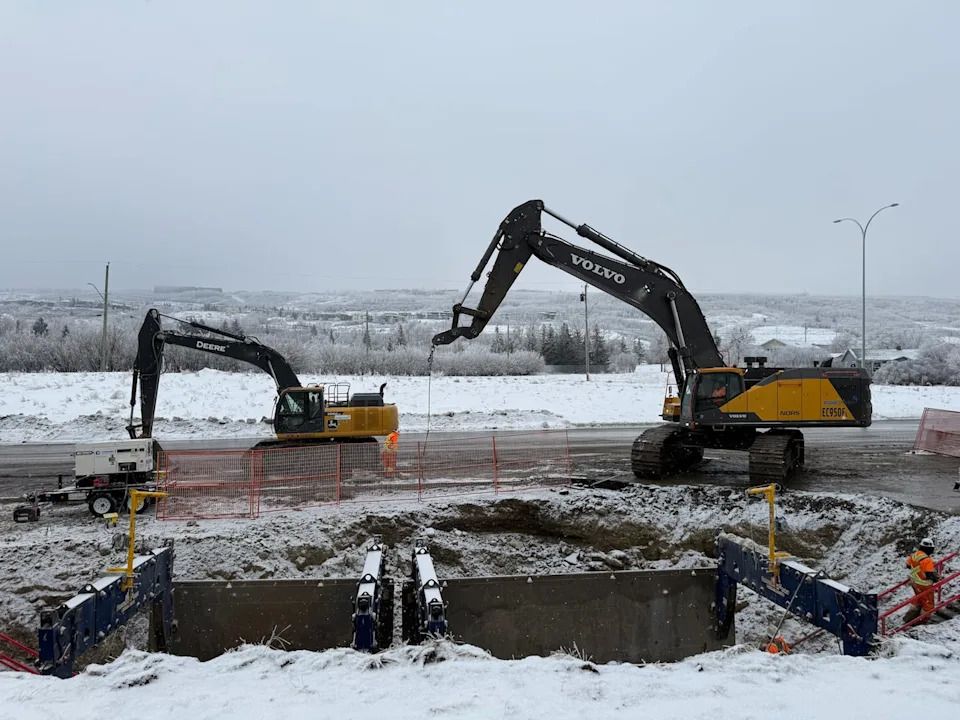
Calgary Mayor Jeromy Farkas says crews are working around the clock to fix the Bearspaw south feeder main after a section burst Dec. 30 (Chelsey Mutter/CBC)
Then there’s the timing of it all. Thomas remembers the gossip between neighbours the last go-round, when the pipe break happened in the heat of summer and people complained about others watering their lawns.
Advertisement
Advertisement
Advertisement
Advertisement
In the winter, neighbours don't know how many times you’ve flushed.
“When you can't be surveilled by the community, there's definitely a sense that you don't necessarily have to adhere to restrictions as much,” Bierman said.
Erosion of trust
Behaviours have also changed since the pandemic. Bierman says there has been a noticeable decrease in community involvement, with people spending less time socializing or interacting.
There’s also been a real drop in trust in the years since, both in public institutions and in other people, the sociologist said.
"Essentially, when individuals feel that their own well-being or own sense of personal safety is being threatened, they're less likely to trust others," he said.
Advertisement
Advertisement
Advertisement
Advertisement
“Without trust, trust in each other, trust in the basic institutions of society, we're not going to be invested in trying to help each other.”
Thomas also warns that once that trust is eroded, an influx of conspiracy theories can flourish in its place.
And when trust is lacking, she says full transparency from public officials, with regular updates, becomes all the more important.
'Frustrating situation'
Mayor Jeromy Farkas told reporters this week he is doing his part, including limiting his shower time and using paper plates to reduce dishes.
He said while Calgary's daily use has hovered in the red "unsustainable" zone over this week, he still sees many people doing their part to cut back.
Advertisement
Advertisement
Advertisement
Advertisement
“I want to thank Calgarians,” Farkas said. “This is such a frustrating situation. Calgarians have stepped up to support our first supporters.”
It will take some time yet for the replacement main to be fully constructed, and for the city to adopt an independent panel's recommendations on reforming how Calgary manages the water system, Siegfried Kiefer, the panel's chair, said this week.
But once all that happens?
“I think Calgarians will hopefully never hear about water restrictions for a long time to come,” Kiefer said.
تم ادراج الخبر والعهده على المصدر، الرجاء الكتابة الينا لاي توضبح - برجاء اخبارنا بريديا عن خروقات لحقوق النشر للغير


