


اخبار العرب-كندا 24: الأحد 28 ديسمبر 2025 05:08 صباحاً
Picking up petrels has become another part of fall for some folks along the eastern coast of Newfoundland.
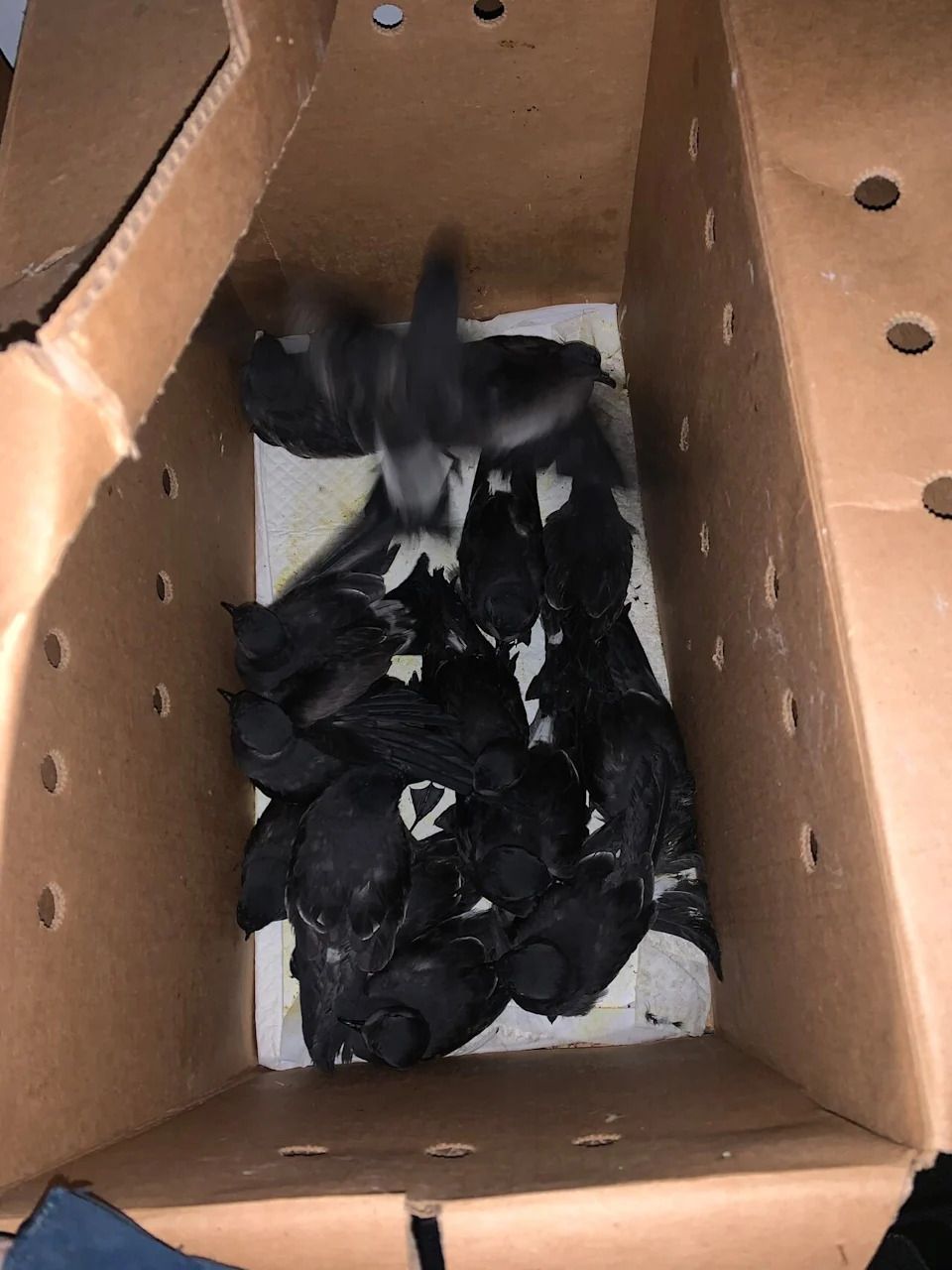
Leach’s storm petrels, found in abundance off Newfoundland's shores, can find themselves stranded on land after becoming confused by the lights coming from buildings, fishing boats and oil platforms. It’s especially difficult for fledglings taking their first flight, typically from September to mid-November.
But local petrel patrols are helping get them back in the air again.
Advertisement
Advertisement
Advertisement
Advertisement
Karen Gosse is a volunteer with Rock Wildlife Rescue, one of the groups — alongside individual volunteers — committed to the cause. CPAWS-NL and Canadian Wildlife Services are also on board.
“We have a 24-hour petrel drop off unit. So if they’re found around the city or brought in by anybody from either one of those agencies — any time of day or night — they can be dropped off to us at the rescue and we will assess them, get them ready,” Gosse told CBC News.
The birds are then transported to other volunteers who bring them back to a beach in Witless Bay each night.
This year saw a low number of birds collected and released. Gosse said that’s a good thing.
Advertisement
Advertisement
Advertisement
Advertisement
“Last year, I remember standing here with another one of our volunteers and they were falling from the sky, circling, exhausted, falling, breaking their necks on the pavement. And it was absolutely awful," Gosse said. "There was nothing we could do except pick them up. So we’ll take a not busy night any day."
For mother and daughter volunteer duo Jennifer and Chloe Lahey, it can mean some late nights.
“We go out at about 11 p.m. and we get home around 2 a.m.,” Jennifer Lahey said.
They said they usually try to make the journey to release the stranded birds on the same night they're found. Though it’s a lot of work, the pair say it’s a labour of love.
Advertisement
Advertisement
Advertisement
Advertisement
“It’s my favourite thing to watch them fly off and just know that you saved their lives, and watch them get another chance,” said Chloe Lahey.
'Charismatic animals'
Wildlife biologist Taylor Brown says there’s a lot to love about the petrels.
“They’re lovely, small, quirky birds. They make crazy sounds,” Brown said.
“They're coming to and from the island at night. They recognize each other by smell. There's so many different things. They nest in burrows. They mate for life."
And it’s not just adults who are committed to saving the little birds.
Volunteers collect stranded Leach's storm petrels and release them. (CBC/Todd O'Brien)
Rebecca Vincent is a teacher at Gill Memorial Academy in Musgrave Harbour. She spoke to CBC News this year about how her students are lending a hand.
Advertisement
Advertisement
Advertisement
Advertisement
After seeing the birds turn up around the school — just a few minutes walk from the beach — they wanted to help.
The kindergarten to Grade 3 students Vincent teaches were all in.
“They think they’re saving the world is what we’re doing,” she said.
“They are very involved in it, and even the Grade 4s and 5s that are moved upstairs ask each day, 'how many birds, miss?'”
Numbers in decline
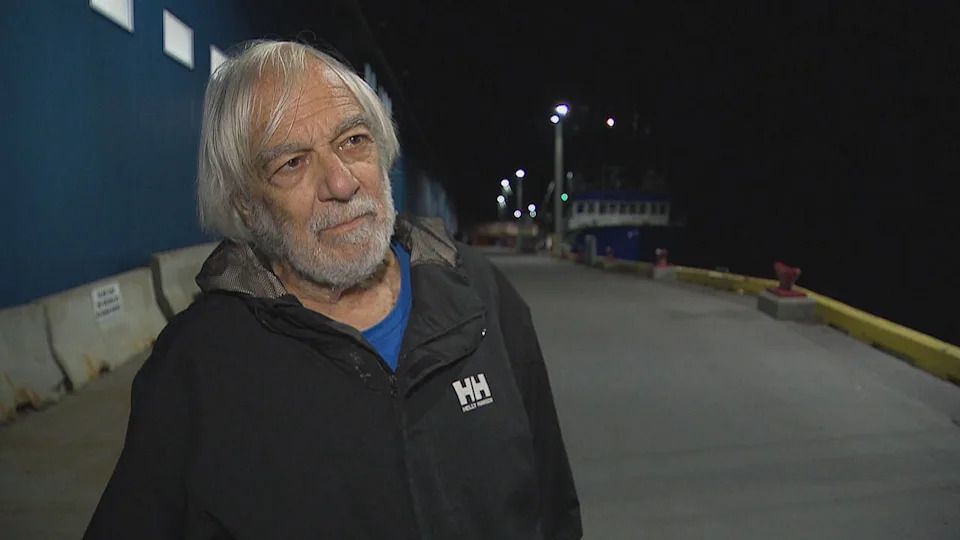
Bill Montevecchi has been studying the birds for decades. He spoke with CBC News in 2024.
When he surveyed Baccalieu Island in the 1980s, he recorded over six million birds. But those numbers are declining.
Bill Montevecchi has been studying Leach's Storm Petrels for decades. (CBC/Paul Pickett)
“So what happened over those 30 years? Well, over those 30 years we lit up the Grand Banks with oil platforms and flares,” Montevecchi said.
Advertisement
Advertisement
Advertisement
Advertisement
And though the numbers may still sound high in the millions, it doesn’t mean the birds aren’t at risk.
“Things that are often really abundant are still highly vulnerable to extinction,” Montevecchi said.
“I mean, you can look at the commercial extinction of cod.”
Download our free CBC News app to sign up for push alerts for CBC Newfoundland and Labrador. Sign up for our daily headlines newsletter here. Click here to visit our landing page.
تم ادراج الخبر والعهده على المصدر، الرجاء الكتابة الينا لاي توضبح - برجاء اخبارنا بريديا عن خروقات لحقوق النشر للغير


