


اخبار العرب-كندا 24: الجمعة 19 ديسمبر 2025 06:56 صباحاً
WARNING: This story contains distressing details.
Joshua Frogg says he isn’t surprised about the outcome of the investigation into his nephew's death, but wants to see changes to prevent former police officers from being involved in these types of cases.
Eric Nothing, 40, was shot and killed by a Nishnawbe Aski Police Service (NAPS) officer on July 22 in Deer Lake First Nation, a remote Oji-Cree community about 580 kilometres northwest of Thunder Bay, Ont.
Advertisement
Advertisement
Advertisement
Advertisement
Ontario’s Special Investigations Unit (SIU) says Nothing had approached the officer with two knives and his shirt was on fire.
He shot Nothing five times. The SIU cleared the officer of wrongdoing.
“I'm a hunter, right? So when I shoot an animal, I don't keep on shooting it when it goes down,” Frogg said. “When it was revealed to us that all five shots hit their target, it just sounds like he kept on shooting after Eric went down.”
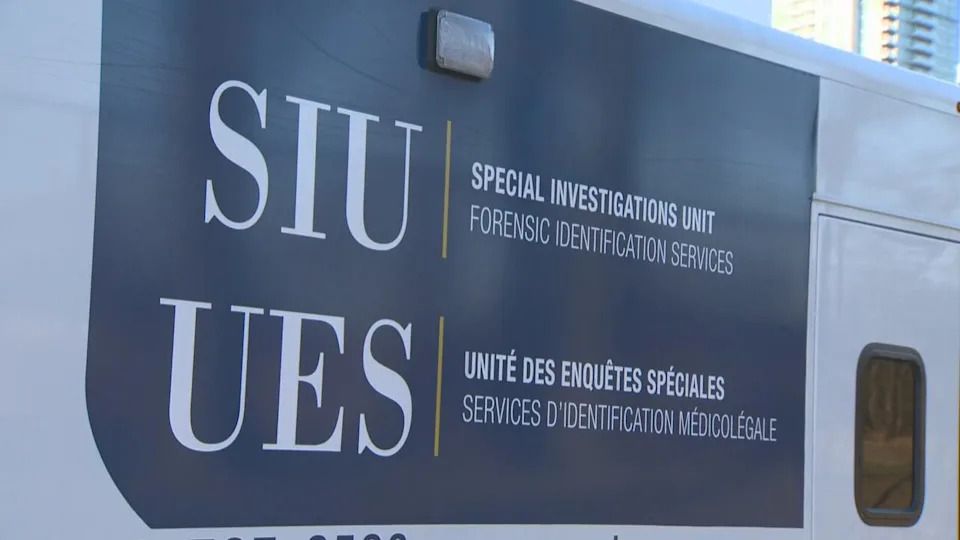
The SIU is an independent government agency that investigates police conduct resulting in death, serious injury, sexual assault or the discharge of a firearm at a person.
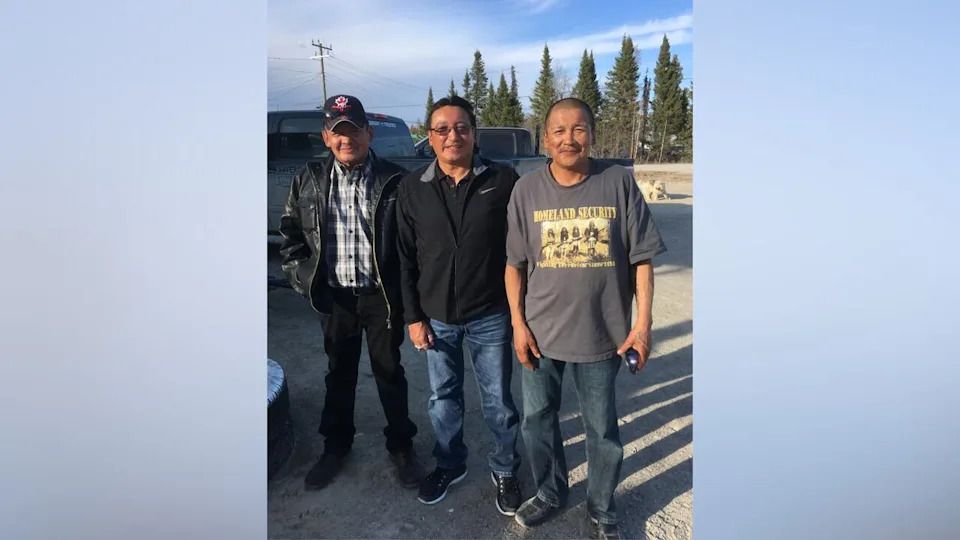
Joshua Frogg, centre, is seen with his brother Roy, left, and Bruce Wallace Frogg, right. Bruce Wallace Frogg was shot and killed by a Kenora OPP officer in June 2024. (Joshua Frogg/Facebook)
In clearing the officer last week, SIU director Joseph Martino said he “was satisfied that the officer shot the man to protect himself from a reasonably apprehended knife attack.”
Advertisement
Advertisement
Advertisement
Advertisement
A year earlier, Nothing’s father, Bruce Wallace Frogg, was shot and killed by an Ontario Provincial Police (OPP) officer in Kenora. The SIU determined there was no basis to lay criminal charges in connection with his death.
“The last two [SIU] reports haven't made any sense to us,” Joshua Frogg said.
I don't expect anything different, right? Police policing themselves. That's just not normal, not acceptable.- Joshua Frogg, uncle of Eric Nothing and Tyresse Kenny Padro Cree Roundsky, who both died in police shootings
Joshua's other nephew, 23-year-old Tyresse Kenny Padro Cree Roundsky, was shot and killed by a police officer in a makeshift courtroom in Wapekeka First Nation on July 31. The SIU’s investigation into his death remains ongoing.
“I really feel for [Roundsky’s immediate] family because I think it's going to be the same result,” Joshua said of the investigation.
Advertisement
Advertisement
Advertisement
Advertisement
“I don't expect anything different, right? Police policing themselves — that's just not normal, not acceptable.”
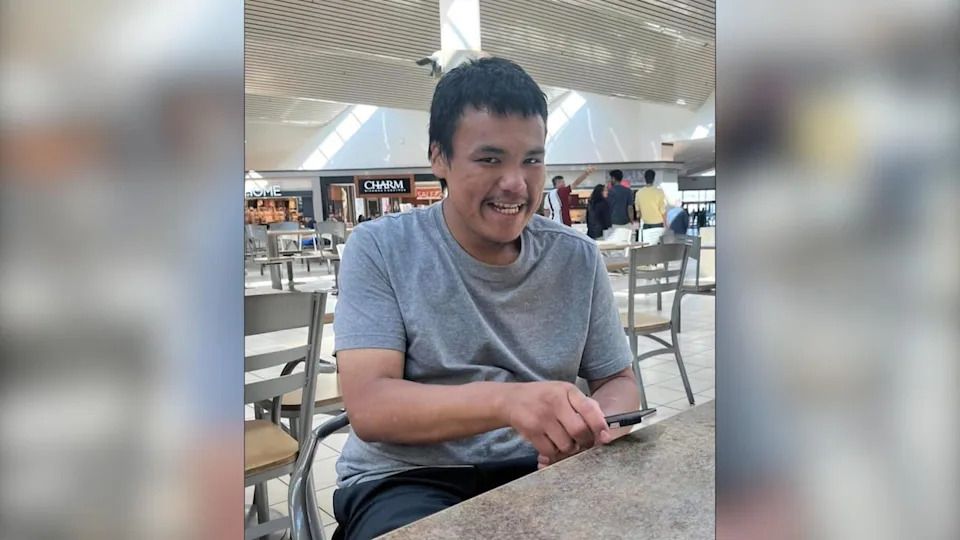
Tyresse Kenny Padro Cree Roundsky, 23, died in Wapekeka First Nation on July 31. Ontario's SIU is investigating. (Submitted by Jez Winter)
The SIU has historically been criticized for how many of its investigators have police backgrounds. CBC News reached out to the SIU about this and received an emailed statement on Wednesday.
“The SIU has a complement of 16 lead investigators, of which seven have never worked as police officers in Ontario,” it says. “In the event a former police officer is assigned to a case, they cannot be assigned to a case involving a police service they had once worked for.”
As well, “the SIU director can never have been a police officer.”
Cultural support, relationship building
When members of the SIU went over the report with Nothing’s family, Joshua said they were brought to a room at the Kenora Courthouse, where they could hear proceedings taking place next to them. It took between 15 and 20 minutes, he said.
Advertisement
Advertisement
Advertisement
Advertisement
He wishes there was a more private, comfortable space to discuss the report’s findings, given the upsetting nature of how his nephew died, he said.
The SIU is an independent government agency that investigates police conduct resulting in death, serious injury, sexual assault or the discharge of a firearm at a person. (Global News)
“It's been very difficult, very hard to come to terms with it,” Joshua said. “We haven't come to terms with it yet because the pain is still there, right? It just doesn't go away.”
Just over two years ago, the SIU released a report after collecting race-based data in connection with investigations between Oct. 1, 2020, and Sept. 30, 2021.
It found that people who identified as Indigenous were nearly 6.25 times more frequently represented in SIU investigations than non-Indigenous people.
Advertisement
Advertisement
Advertisement
Advertisement
Joshua said it would have been helpful to have elders and cultural practitioners supporting the family while going through the report.
In its statement to CBC News, the SIU said that whenever possible, “a member of the SIU’s First Nations, Inuit and Métis Liaison Program (FNIMLP) leads or participates in investigations involving Indigenous peoples or communities to ensure investigations are conducted with respect and sensitivity.”
Investigators receive ongoing cultural sensitivity training to aid their examinations, it added.
The program, launched in 2006, focuses on “relationship building between the SIU and Indigenous communities.” It consists of a senior adviser from Curve Lake First Nation, two lead investigators, eight regional investigators and three forensic identification investigators, the agency said.
Advertisement
Advertisement
Advertisement
Advertisement
As well, the SIU offers an Affected Persons Program to “co-ordinate appropriate cultural or any other supports during and after the investigation.”
Still, Joshua said he doesn’t think he can ever trust the SIU, unless it no longer involves former police officers in investigations.
“There needs to be an independent unit, not former police officers policing the police.”
Mental health counselling and crisis support is also available 24 hours a day, seven days a week through the Hope for Wellness hotline at 1-855-242-3310 or by online chat at www.hopeforwellness.ca.
تم ادراج الخبر والعهده على المصدر، الرجاء الكتابة الينا لاي توضبح - برجاء اخبارنا بريديا عن خروقات لحقوق النشر للغير


