



اخبار العرب-كندا 24: الجمعة 9 يناير 2026 06:44 صباحاً
A former acquaintance of Elston Bostock says the disgraced Winnipeg police constable had a reputation for being a "hookup" and would routinely "fairy dust" partiers with white powdered drugs.
The woman alleges Bostock — who pleaded guilty to drug trafficking this week and had previously pleaded guilty to offences that included corruption charges — said it was an "open secret" that Bostock had a reputation for ensuring "everyone would be extremely high" at parties during the period from 2015-19, when she knew him.
"The drugs ... would be a white powder that he had in his pocket," said the woman, whom CBC News isn't identifying due to her fear of reprisals for speaking out.
Advertisement
Advertisement
Advertisement
Advertisement
"He would go around and lick his finger and stick it in his pocket, and then just fairy dust all of us ... pop his finger in our mouths," she said.
"Knowing he was dealing and handing out drugs from his pocket, it just felt like ... how far could he really go in terms of illegal activities while being a police officer?"
New details about his illegal activities emerged in court this week, following earlier details about illegal, unethical or inappropriate conduct that recently got the Winnipeg Police Service veteran fired and has some of his peers facing trials of their own.
He supplied drugs — sometimes while on duty and working out of his cruiser — to friends and fellow officers, not for profit but for social gain, prosecutors say.
Advertisement
Advertisement
Advertisement
Advertisement
Last fall, he pleaded guilty to breach of trust, attempting to obstruct justice (via ticket-fixing), theft under $5,000 and offering indignity to human remains (sending imagery of a partially nude dead woman to fellow officers).
On Monday, Bostock also pleaded guilty to trafficking drugs, including cocaine, MDMA (also known as ecstasy), psilocybin (magic mushrooms) and cannabis.
He hasn't been sentenced in either case.
'Subculture of deviance within policing'
Between 2016 and 2024, Bostock supplied drugs to civilians and Winnipeg Police Service co-workers, sometimes while on duty, according to an agreed statement of facts presented in court.
Advertisement
Advertisement
Advertisement
Advertisement
The investigation revealed times when fellow officers messaged Bostock about drugs — pharmaceutical-grade painkillers and anti-anxiety medications including opioids and benzodiazepines, as well as MDMA, psilocybin and cannabis.
He sometimes bartered with colleagues or gave them drugs rather than charging them outright.
In at least one instance, in 2020, he admitted in a message to a peer that he ate a 50-milligram cannabis gummy before going on shift.
An assistant professor of sociology and criminology says the conduct of Bostock and his peers "damages public confidence in the police."
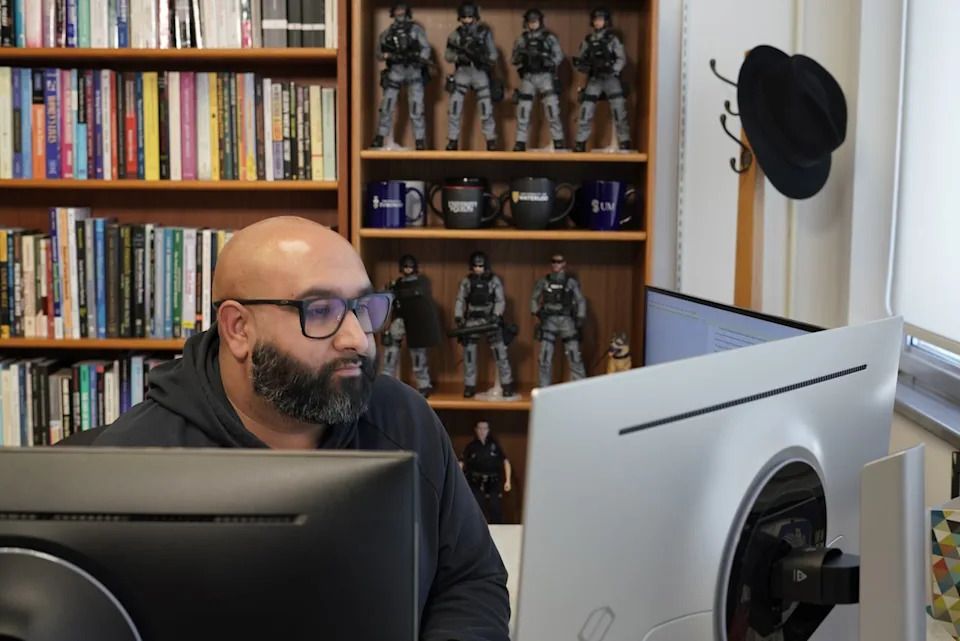
"I think it speaks to a broader subculture of deviance within policing," said Tandeep Sidhu, who teaches at the University of Manitoba.
Tandeep Sidhu, an assistant professor in the department of sociology and criminology at the University of Manitoba, says Bostock's case 'speaks to broader systemic issues within the Winnipeg Police Service.' (Bryce Hoye/CBC)
"It was likely common knowledge to a certain degree that this officer was involved in these activities, so it defeats the idea of the 'rotten apple,' and it's demonstrating that this instance was a little bit more systemic."
Advertisement
Advertisement
Advertisement
Advertisement
Evidence in both the drug trafficking and corruption cases surfaced after a forensic search of Bostock's phone, following an internal investigation by police.
Some of the offences overlap with the period during which Bostock's former friend says she frequented summertime parties in Manitoba's Interlake the then officer attended, between 2015-19.
She was never sure exactly what the powdery drug that Bostock would give out freely was, but it got her "more high than I've ever been before at festivals doing ecstasy and MDMA," she said.
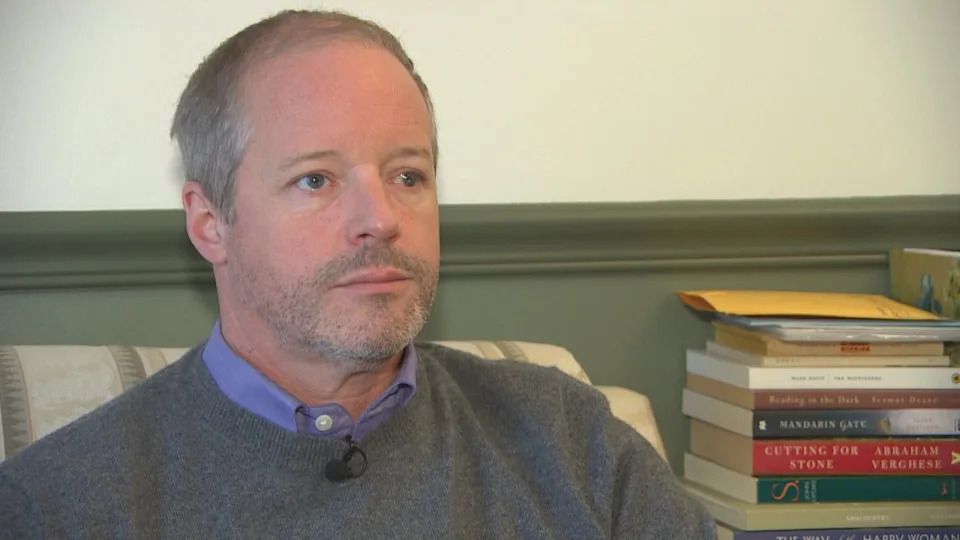
A woman who was friends with Bostock says he would be 'too fearful' to tell police about her interactions doing drugs with him between 2015-19. (Warren Kay/CBC)
MDMA, also called "molly," is one substance Bostock supplied to friends and fellow officers.
Advertisement
Advertisement
Advertisement
Advertisement
In 2020, he messaged an officer saying a "drug dealer stopped by and gave him some high-grade molly," according to court documents. He later gave that officer MDMA gummies, and did the same for another officer in 2024.
There were at least four instances in 2022 when Bostock messaged suppliers for drugs. Once, he asked for "700 for $500," without specifying what substance he was after.
Court documents suggest that year, Bostock asked a cocaine dealer to swing by the Winnipeg police station on Grant Avenue so they could meet in the parking lot and Bostock could pay him $500.
Regaining public trust 'a monumental task'
"We have police public messaging that's very stern and strict and echoes a lot of what we saw in the war on drugs, and now ... we have a police officer who effectively facilitated a drug transaction right outside a police station," said Sidhu.
Advertisement
Advertisement
Advertisement
Advertisement
"It speaks to broader systemic issues within the Winnipeg Police Service and it highlights the inadequacy of the existing mechanism of police oversight."
U of M criminology professor Frank Cormier said it's "exceptionally concerning" to have a police officer engaging with drug dealers on duty, because "that officer is now absolutely compromised."
Frank Cormier, an instructor in the U of M's department of sociology and criminology, says building back public trust will be a 'monumental task' for the Winnipeg Police Service. (CBC)
"There are criminals, including drug dealers, who know that he is involved in all of these illegal activities, which gives them a great amount of leverage which they could, if they chose, use against him ... blackmailing, pressuring [him]," Cormier told Up to Speed guest host Chloe Friesen in a Tuesday interview.
Cormier said the police service has to determine whether members are developing law-breaking behaviours exhibited by Bostock within the force, or whether it is failing to weed out people predisposed to criminal behaviour during the recruitment process.
Advertisement
Advertisement
Advertisement
Advertisement
"They have to find out where is the problem coming from before they can determine how they need to fix it," he said.
"After that, trying to come back from this — and this will be a monumental task — is trying to regain the trust of the public."
LISTEN | Criminologist calls latest developments in Bostock case 'exceptionally concerning':
Bostock's former acquaintance said he came across as "shady" when they partied together. He seemed proud to be an officer and used his position "to get away with what he could," she said.
People who got out of tickets thanks to Bostock said he "cleaned it up," the woman said, and he was known among friends as the person to call to get out of a bind.
Advertisement
Advertisement
Advertisement
Advertisement
The woman said she remains "too fearful" to share her account of Bostock's behaviour directly with Winnipeg police.
"I never reported him because I would've been afraid to face backlash," she said. "There's just too much protection, I think, among police officers, it being an old boys' club and everything."
تم ادراج الخبر والعهده على المصدر، الرجاء الكتابة الينا لاي توضبح - برجاء اخبارنا بريديا عن خروقات لحقوق النشر للغير


