



اخبار العرب-كندا 24: الخميس 1 يناير 2026 09:48 صباحاً
While health officials in B.C.’s Lower Mainland are sounding the alarm over an apparent increase in illegal unlicensed kitchens, people in the food service and business community say there’s a reason people run them — and buy from them.
Last year, Fraser Health issued a public service announcement reminding people about the hazards of buying food from unlicensed vendors, generally found in private dwellings like residential homes and garages.
The health authority said it had received more than 30 complaints about illegal food businesses this year alone, which often sell their food through catering services or as takeout, and warned the public about buying from them.
Advertisement
Advertisement
Advertisement
Advertisement
“Consuming food from illegal food business increases your risk of food safety concerns and foodborne illnesses from improper food preparation, storage and handling of foods,” the statement reads.
Fraser Health also said it’s issued 25 tickets to these kinds of businesses.
But for many people, running a business like this out of their home is the only way to make ends meet, or at least make sure they don’t sink their life savings into a restaurant that isn't guaranteed to be successful.
LISTEN | Why do people operate food businesses without a license?:
According to Nerissa Allen, co-founder and president of Black Business Association of B.C., these cooks are often women from immigrant communities who are trying to build a business for themselves, but she said the current licensing system doesn’t support them.
Advertisement
Advertisement
Advertisement
Advertisement
Filipino-Canadian chef TJ Conwi said the cost is the biggest reason people don’t start up legitimate food businesses.
For example, he said the cost of renting or building a commercial kitchen starts at $1,500 for just a few hours, up to $5,000 or more per month. When you’re living paycheque to paycheque to begin with, those costs might be too much, he said.
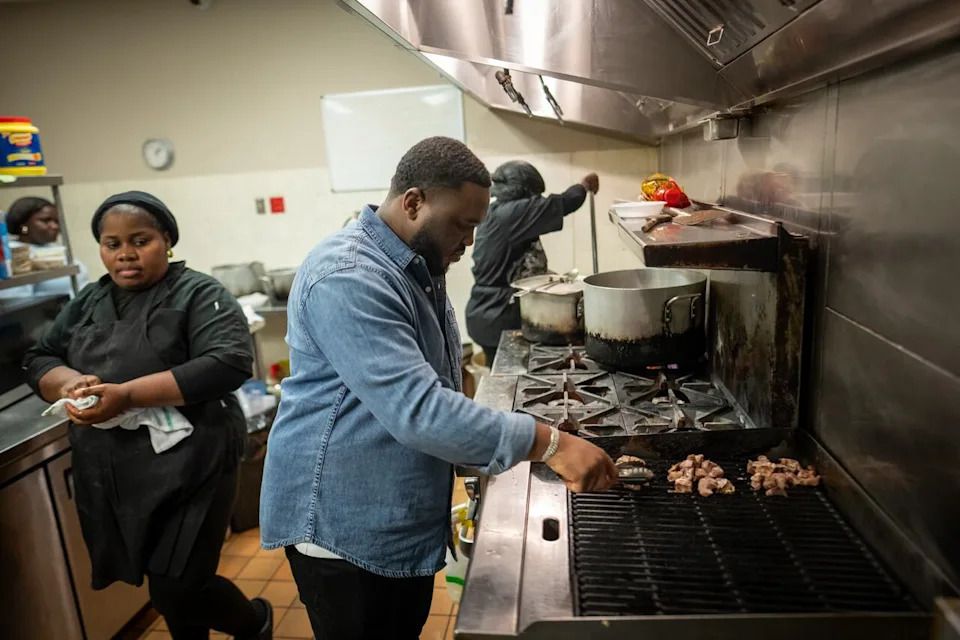
Ekaose Nwadiani, owner of Surrey-based Nigerian restaurant VanSuya, got started cooking traditional food for their community in their basement suite.
“It's hard to go into these commercial kitchens because they're super expensive and without a proven concept of customers, how do you make that money to keep on paying rent?” he said.
Ekaose Nwadiani, owner of Vansuya restaurant in Surrey, British Columbia, on Thursday, Nov., 20, 2025. (Ben Nelms/CBC)
So, he tried the illegal route to begin with, operating out of his home kitchen. Fortunately for Nwadiani, his food was in high demand, so he was able to put money into getting a licensed commercial space set up in Vancouver to sell his product on delivery apps. Eventually he opened his restaurant in Surrey, and he's currently in the process of opening another in Vancouver.
Cultural importance
Conwi said he’s ordered home-cooked food from unlicensed kitchens before, because he couldn’t find it otherwise.
Advertisement
Advertisement
Advertisement
Advertisement
“That's where I will go to get my meals I crave from home,” he said.
If support doesn’t come through to help people set up licensed operations, Allen worries the consequences could be dire for communities that rely on those kitchens for culturally appropriate food.
“You're looking at the erosion of cultural identity,” she said. “Cooking in many of these communities is part of their cultural identity. It's how they connect with community.”
She also points out the mental health impacts on the individuals who lose that income and the connection with their community and heritage.
Ekaose Nwadiani, owner of Vansuya restaurant in Surrey, B.C., on Thursday, Nov. 20, 2025. (Ben Nelms/CBC)
That’s why people like Nwadiani are offering their services to mentor people running illegal kitchens to work toward something licensed, that won’t be shut down and won’t result in fines.
“We want to see more people go into business and be able to help the economy and provide jobs for people,” he said.
تم ادراج الخبر والعهده على المصدر، الرجاء الكتابة الينا لاي توضبح - برجاء اخبارنا بريديا عن خروقات لحقوق النشر للغير


