


اخبار العرب-كندا 24: الخميس 25 ديسمبر 2025 09:20 صباحاً
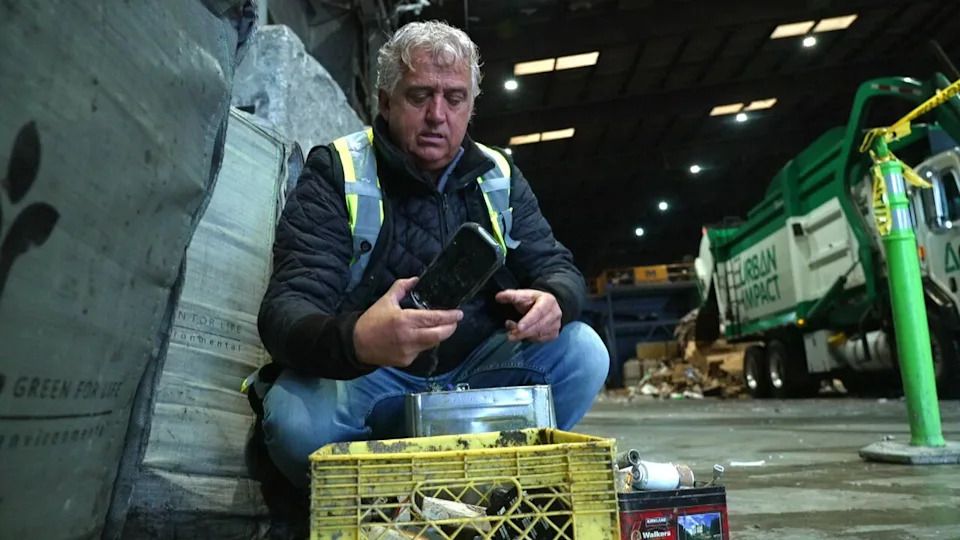
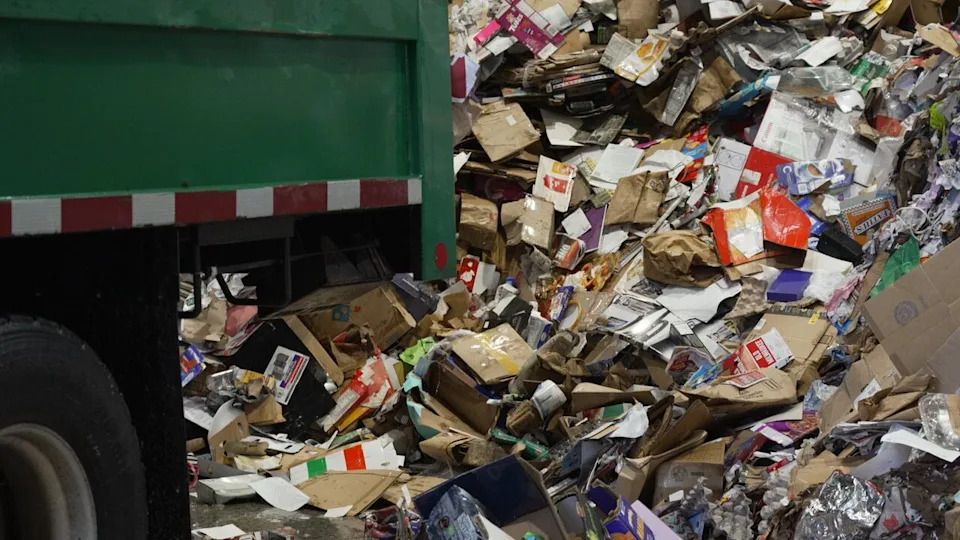
Craig Bartlett dumps out a box full of vapes, electric toothbrushes, cellphones and even a karaoke microphone as heavy industrial trucks dump and pile up cardboard packaging at a materials recycling facility in Richmond, B.C.
None of those devices should be here, because they have lithium-ion batteries in them.
The now-ubiquitous power source for many modern devices, the batteries carry significant fire risk — especially if they are crushed, which easily happens at recycling and waste facilities.
Advertisement
Advertisement
Advertisement
Advertisement
“A treasure trove, unfortunately, of items that we receive at this facility that people have mistakenly put into their blue [recycling] box,” said Bartlett, the executive director with GFL Environmental Inc.
Craig Bartlett with GFL Environmental Inc. sorts through a collection of devices with lithium-ion batteries that were diverted from paper and plastics packaging meant for recycling. (Ryan McLeod/CBC)
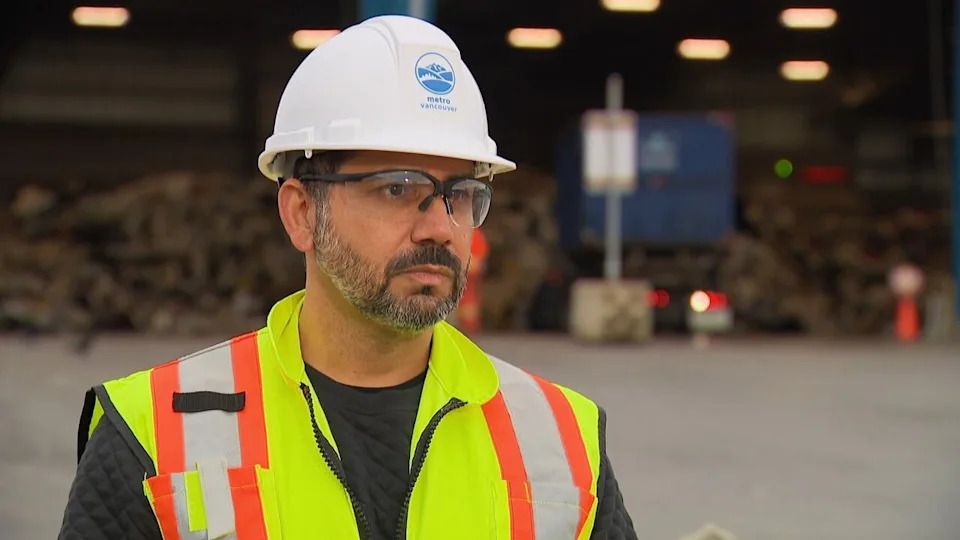
“It's one of our top hazards, and staff are trained to look out for it,” said Paul Litt, lead senior engineer in solid waste services at Metro Vancouver.
“It's unfortunately very preventable damage. If you put a little bit more effort into keeping the materials out that don't belong in waste, we can really minimize that risk.”
Paul Litt is a solid waste engineer with Metro Vancouver. He says lithium-ion batteries put in garbage cause multiple fires a year at Metro Vancouver waste facilities. (Martin Diotte/CBC)
Litt says devices with batteries, or the batteries themselves, can arrive to Metro Vancouver’s six waste centres undetected and get crushed in amongst other waste.
Advertisement
Advertisement
Advertisement
Advertisement
On average, they cause between three and four fires a year at each waste centre.
According to statistics from Vancouver Fire and Rescue Services (VFRS), firefighters have responded to a growing number of rechargeable battery fires since 2021.
VFRS did not provide a reason why the number of fires this year is poised to be fewer than in 2024.
Expensive fire suppression
The waste centres have been forced to install sophisticated and expensive fire suppression systems to try and keep any fires that do break out from becoming catastrophic.
In August 2020, the GFL Environmental material recycling facility in Richmond had in its back area that was dramatic and destructive, with its suspected cause being a battery.
Advertisement
Advertisement
Advertisement
Advertisement
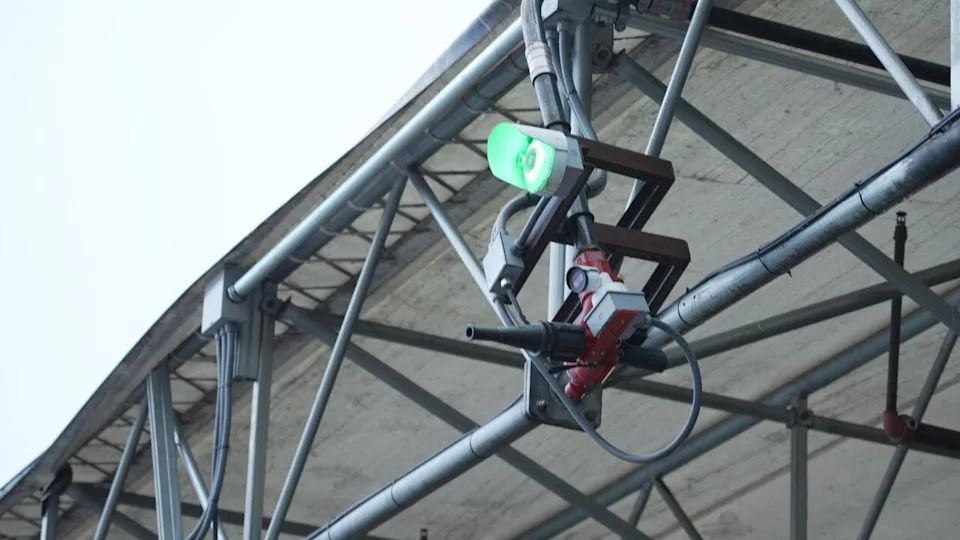
It now employs $1-million technology called Fire Rover — which uses sensors and cameras to detect hot spots in piles of recycling materials like cardboard or plastic, and then targets them with a suppression stream to put them out immediately.
“It's certainly been a game changer,” said Bartlett.
“Fires are not unique to us. They happen right across North America, and in fact globally, just with … that whole evolution of electronics and batteries, and the way people manage them.”
Part of the Fire Rover fire suppression system meant to detect and put out small fires started in piles of recycling caused by things like exploding batteries at the GFL Environmental Inc. materials recycling facility in Richmond, B.C. (Ryan McLeod/CBC)
Bartlett doesn’t want people to think that fire suppression systems are the only solution to this problem.
He, Litt and others said both said the best way to keep recycling facilities and staff safe from lithium-ion battery fires is better consumer awareness.
Advertisement
Advertisement
Advertisement
Advertisement
“If it makes a noise, if it vibrates, if it plugs in or creates light — chances are it has a battery in it, and it should not go in your blue box or your garbage,” said Sam Baker, executive director of Recycle B.C.
Cardboard and paper packing is recycled at GFL Environmental Inc. in Richmond, B.C., where staff at the facility have to be vigilant for batteries inadvertently mixed in, which can start fires. (Ryan McLeod/CBC)
Recylers like Baker, and those that manage municipal waste, want consumers to take extra steps to figure out where to take lithium-ion batteries and devices, to “know before you throw,” especially at this time of year when gifts could include them.
“They’re in many places where we don't necessarily anticipate batteries to be,” said Andrew Doi, a Metro Vancouver environmental planner.
“It's important to make sure that those are captured and returned and recycled responsibly at end of life.”
To find out how and where to recycle batteries, consumers are asked to visit the Recycle Your Batteries website, and for cellphones, visit the Recycling Council of British Columbia.
تم ادراج الخبر والعهده على المصدر، الرجاء الكتابة الينا لاي توضبح - برجاء اخبارنا بريديا عن خروقات لحقوق النشر للغير


