

اخبار العرب-كندا 24: الثلاثاء 23 ديسمبر 2025 06:32 صباحاً
Warning: This story discusses suicide.
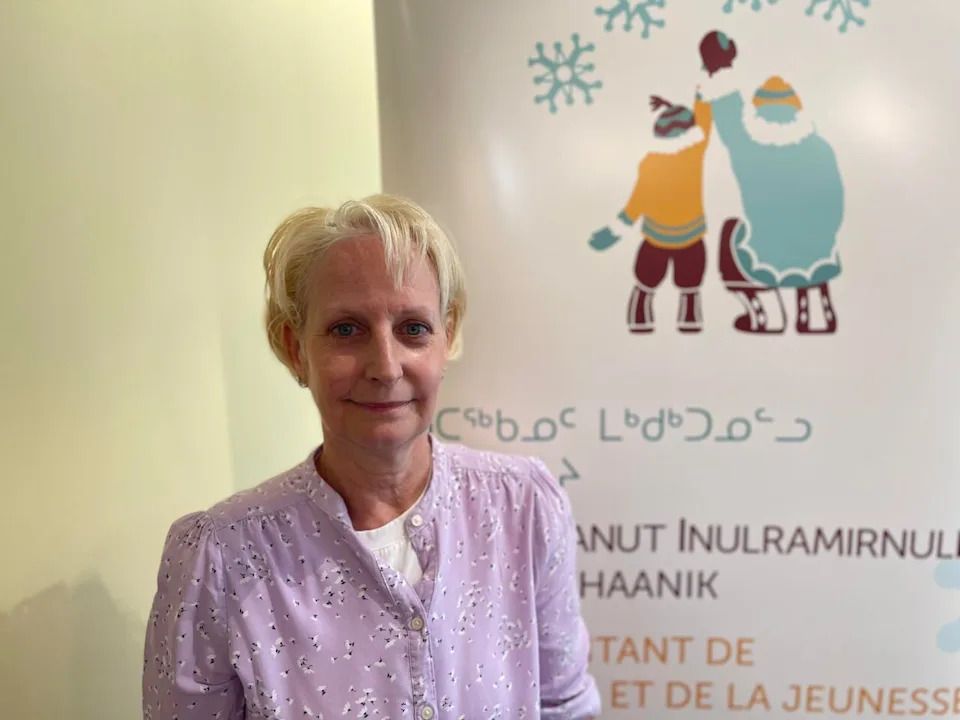
Janet Pitsiulaaq Brewster has spent two decades working in health care in Nunavut, and much of her career focused on pushing for more action on suicide prevention.
Now as the minister responsible for that portfolio, she's particularly concerned about the rates of suicide among young Nunavummiut, and she has new powers to try to spur some change.
“My focus now is to learn exactly what steps we're taking to engage youth so that they don't come to the point of attempting suicide, and that if they do have suicidal ideation… we're supporting them,” she said.
Advertisement
Advertisement
Advertisement
Advertisement
Inuit Tapiriit Kanatami, Canada's national Inuit organization, estimates suicide rates across Inuit Nunangat to be five to 25 times higher than those in the rest of Canada. In June, the Nunavut government again declared suicide a crisis in the territory.
Nunavummiut aged up to 19 make up roughly 40 per cent of the territory’s population. The Nunavut representative for children and youth’s 2024-2025 report reveals some troubling figures about the territory’s youngest population.
Of the 134 critical injuries reported by the director of Child and Family Services, 80 were due to suicide attempts and suicidal ideation. There was a 433 per cent increase in the number of reported injuries related to suicide attempts between 2019-2020 and 2023-2024.
The report notes that data collected from the Child and Family Services Department between 2019 and 2024 may be inaccurate and that the numbers could have been even higher.
Advertisement
Advertisement
Advertisement
Advertisement
Jane Bates, Nunavut's representative for children and youth, said the suicide crisis emphasizes the need for the new territorial government to prioritize the needs of young people, and she’s hopeful that will happen.
“I cannot stress enough that this mandate… really young people's survival depends on this,” she said.
Jane Bates, Nunavut's representative for children and youth, says there need to be more opportunities for youth to voice their concerns and tell leaders what they need. (Samuel Wat/CBC)
‘The best experts are young people'
Bates said it’s difficult to truly understand why the rates of suicide are so high among young Nunavummiut.
There are many risk factors to suicide, including poverty, housing and intergenerational trauma, though Bates doesn’t believe there’s been a comprehensive study linking them all together.
Advertisement
Advertisement
Advertisement
Advertisement
“I don't think that kind of detailed study of these young people's lives leading up to those suicides has been kind of completed,” she said.
Bates believes “the best experts" to answer some of those questions are young people, though she doesn’t believe there are enough platforms for young people to have their say.
“This is a government that represents the public, which includes young people. So I really feel strongly that we need to find those places where young people can speak up and let us know what's happening for them,” she said.
Brewster said she wants to push forward the creation of a Nunavut Youth Council. That’s one of several commitments outlined in a 2024-2029 suicide prevention action plan for Nunavut.
Advertisement
Advertisement
Advertisement
Advertisement
“I'll focus on getting that going so that youth can be heard on the macro level and not just as individuals,” she said.
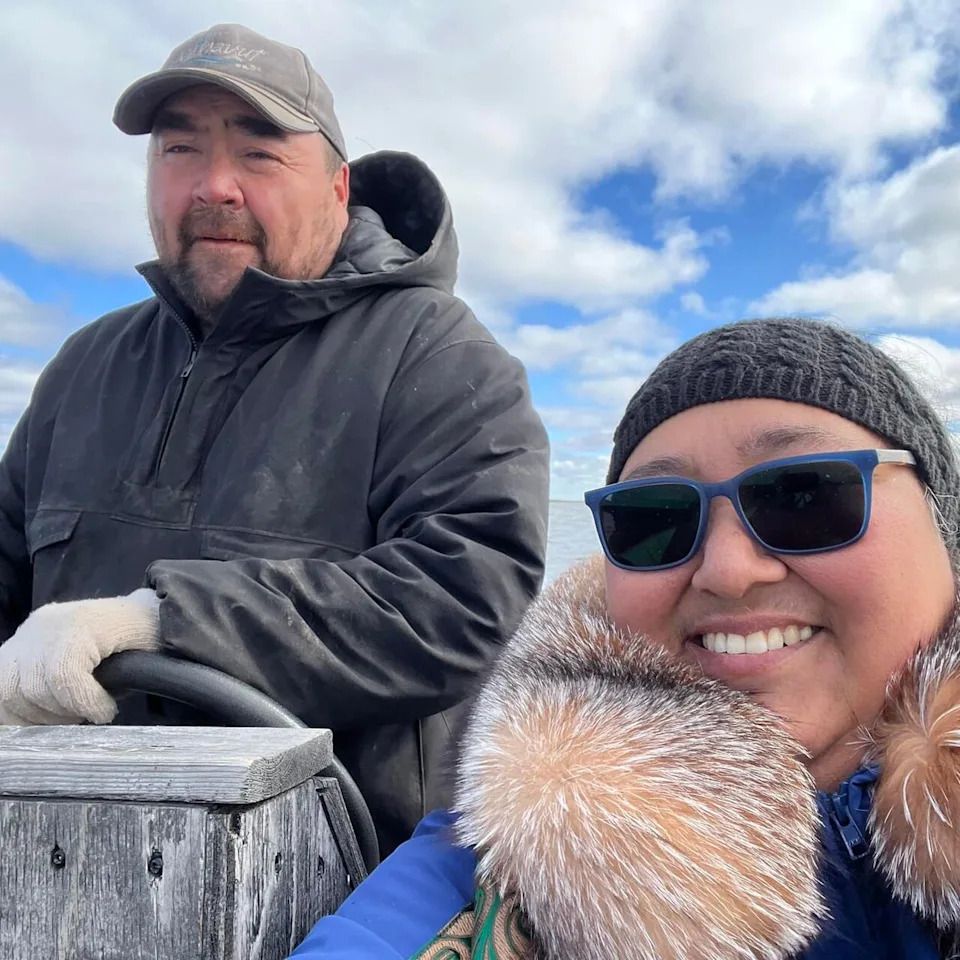
Kukik Baker, right, says she noticed many young people don't fully understand the traumas their parents and grandparents lived through. She believes there need to be more conversations between the different generations to break the cycle of trauma. (Submitted by Kukik Baker)
Leaning on elders for strength
As the executive director of Arviat’s Aqqiumavvik Society, Kukik Baker has helped many Nunavummiut through their struggles. The non-profit organization runs a range of wellness programs, which include counselling, leisure activities and hunting trips.
She draws a lot from her previous work as a child and youth outreach worker, where she noticed many young people don’t fully understand the trauma their parents and grandparents went through.
“If you don't break that generational trauma, if people don't understand what happened in the past, then how can you heal and move forward?”
Advertisement
Advertisement
Advertisement
Advertisement
Elders are a source of strength and wisdom, she said, though she worries there’s a disconnect between the generations. That’s why she’s always looking for opportunities to bring people of all ages together.
“Just having them being together in the same room builds that relationship and those connections start forming and it's easier for the youth to seek support from their elders that way for when they need it most.”
If you or someone you know is struggling, here's where to get help:
This guide from the Centre for Addiction and Mental Health outlines how to talk about suicide with someone you're worried about.
تم ادراج الخبر والعهده على المصدر، الرجاء الكتابة الينا لاي توضبح - برجاء اخبارنا بريديا عن خروقات لحقوق النشر للغير


